24 Laundry Room Ideas for a Stylish, Organized Space
A laundry room can work hard without feeling crowded or chaotic.
A few thoughtful changes can make wash day smoother and give even a small corner a calmer, more finished look.
These 24 laundry room ideas cover practical updates for different spaces and budgets, from folding counters and drying racks to better lighting, storage, and sorting. Many laundry areas also need to handle cleaning supplies, stray socks, and damp clothes in just a few square feet. Measuring carefully and choosing storage that fits your routine can make a noticeable difference. Whether you have a dedicated room, a hallway nook, or a closet with stacked machines, you’ll find inspiration to make the space easier to use and more pleasant to see every day.
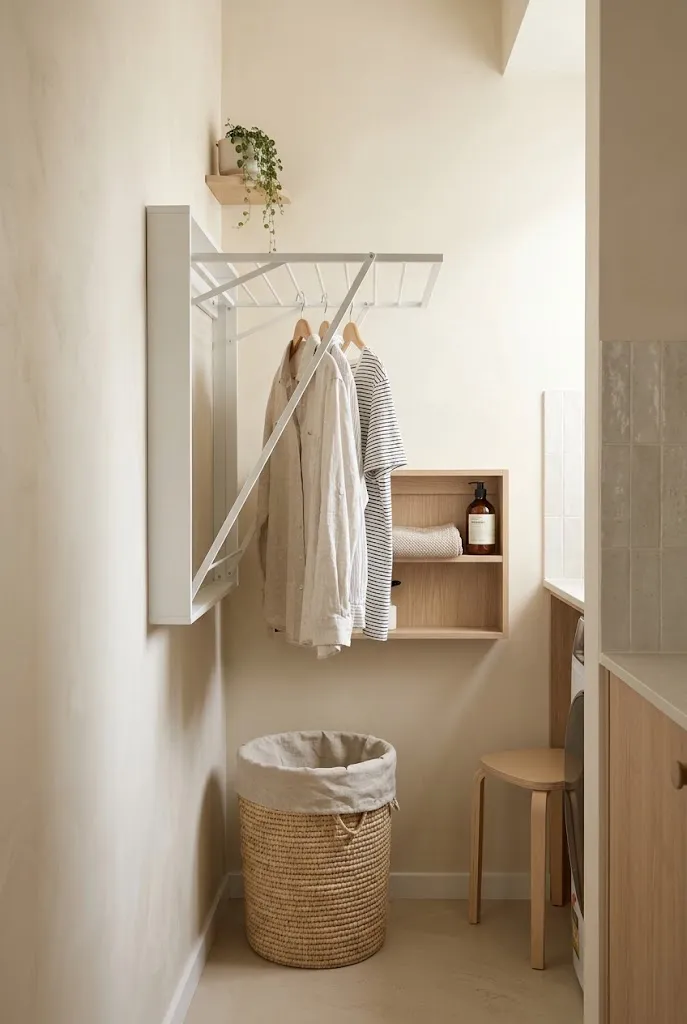
Fold-Down Drying Rack
An empty wall can free up the floor you need most. A fold-down drying rack mounted above a hamper gives damp shirts, delicates, and workout gear a place to air-dry without spreading across chairs. Choose a model that locks securely and folds flat when the load is done.
These laundry room ideas suit apartments and narrow utility spaces. Secure the rack to studs or use anchors rated for your wall, and check that it opens without hitting a door. A slim wood or white metal finish keeps the corner neat once the rack folds flat.
Open Wall Shelves
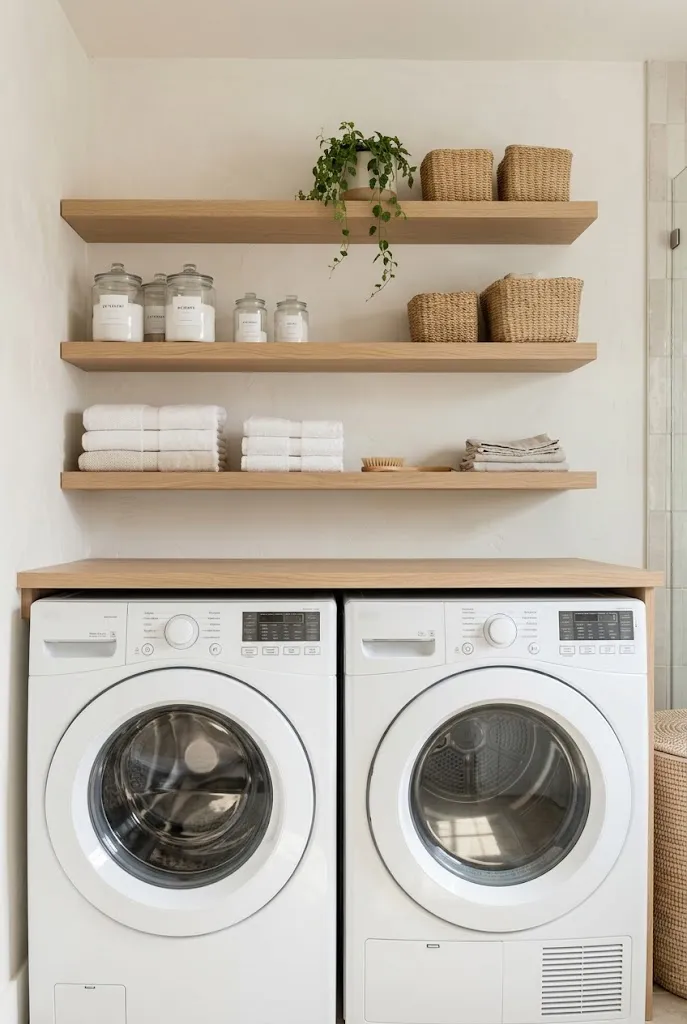
- Store detergent and stain remover in easy-to-reach containers.
- Keep everyday supplies on the lower shelf and extras above.
- Use matching baskets to hide small, loose items.
- Leave a little open space so the shelves stay easy to use.
Open shelving keeps laundry essentials visible, so you can spot what needs restocking before wash day. Measure around cabinet doors and appliance lids before mounting, then secure brackets into wall studs when possible. A short rail or basket on the lowest shelf can keep frequently used items from sliding forward.
Woven Sorting Baskets
Quick Tip: Pick baskets that fit beneath your counter or beside the washer without blocking doors. Use washable labels for lights, darks, and towels.
I’ve noticed that sorting becomes much easier when each family member knows where clothes belong. Choose baskets with handles so a full load is easy to carry, and leave a little room inside each one to avoid overflow. If floor space is tight, use a narrow three-section sorter instead.
Upper Storage Cabinets
BEFORE: Bottles, stain sprays, and spare towels crowd the machine tops, leaving little room to work. Small items disappear behind larger containers.
AFTER: Closed upper cabinets keep supplies together and give the room a calmer look. Everyday products stay within reach, while extra linens can go on a higher shelf.
Choose cabinet depth carefully so doors clear the washer and dryer lids or controls. Measure the wall and note vents, pipes, and light switches before ordering. Even a single cabinet above the machines can hide clutter; add adjustable shelves inside to fit tall detergent bottles and folded cloths.
Stacked Washer and Dryer
- Measure the closet width, depth, and ceiling height before choosing appliances.
- Confirm that the washer and dryer models can be safely stacked, and use the manufacturer-approved stacking kit.
- Keep the dryer vent accessible and leave the clearances listed in the appliance manuals.
When floor space is limited, stacking can open room for a hamper or a narrow shelf. I’ve seen this layout work especially well in hallway closets, but it needs careful measuring and proper installation. Check that you can still reach controls, clean the lint filter, and access shutoff valves comfortably.
Wall-to-Wall Folding Counter
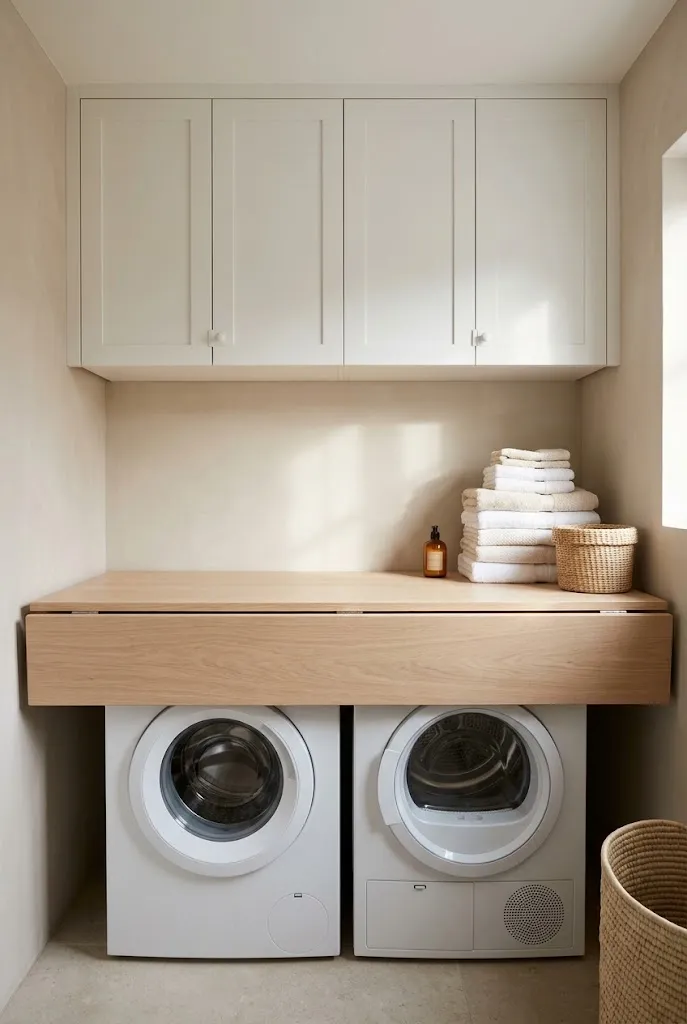
| Feature | Floating Shelf | Full Countertop |
| Folding space | Limited surface | Room for larger loads |
| Installation | Brackets or wall cleat | Wall support and appliance clearance |
| Best for | Narrow rooms | Side-by-side machines |
For laundry room ideas that add useful workspace, a full counter gives clothes a landing spot straight from the dryer. Measure the appliances together and allow access to doors, controls, and lint filters. Seal wood against moisture, or choose a durable laminate surface that wipes clean after detergent spills.
Wall-Mounted Ironing Board
DO
- Mount the cabinet where the board can open fully.
- Check the wall type and use suitable fixings.
- Store the iron only after it has cooled.
DON’T
- Block a doorway or appliance lid.
- Overload the cabinet shelf with heavy bottles.
- Leave the board open in a narrow walkway.
A fold-away ironing station keeps a useful task surface close without dedicating precious floor space to a standing board. Before installation, open the board fully and test the walking clearance. Keep a heat-safe mat nearby if you iron often, and follow the iron maker’s storage instructions.
Slim Rolling Cart
Best for: The slim gap beside a washer that often goes unused.
Cost: Low to moderate, depending on material and size.
Skill Level: Beginner; assembly may be required.
Result: Supplies stay organized and easy to roll within reach.
Measure the gap at floor level and near the counter, since baseboards can make the space narrower. Choose a cart slightly slimmer than the tightest measurement so it rolls smoothly. Use the top tier for everyday products, and keep heavier bottles on the bottom to help prevent tipping.
Ceiling Drying Rail
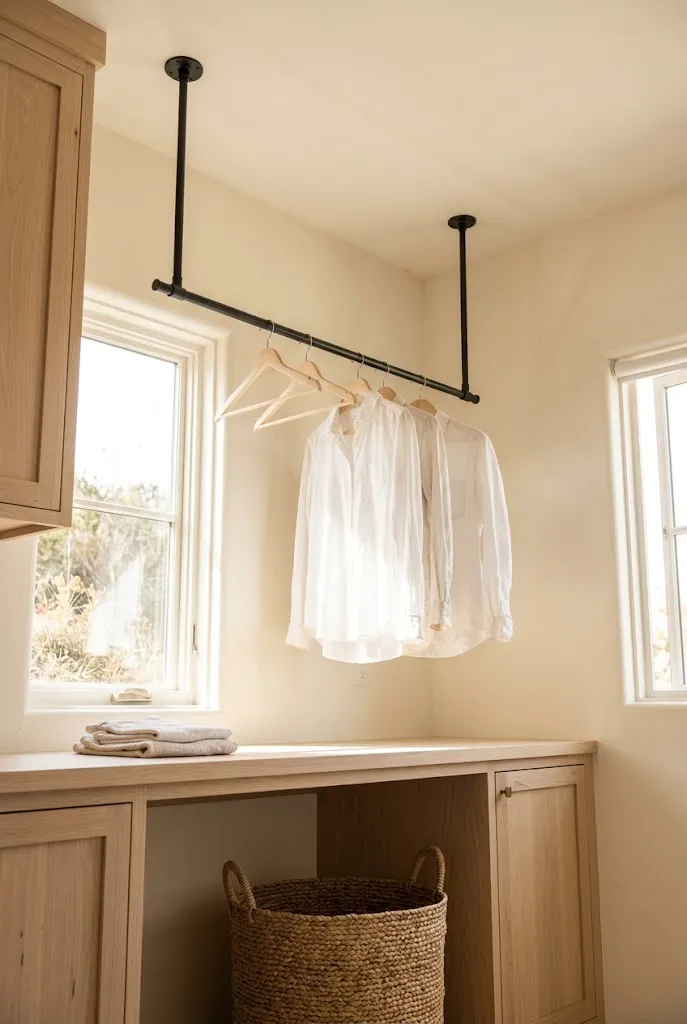
A ceiling rail uses overhead space to dry clothes without taking over the floor. Install it where garments can hang freely, away from light fixtures and doors. A pulley-style rail makes raising and lowering the rack easier, while a fixed rod works well above a counter or washer.
For a tidy finish, match the rail to nearby hardware or choose a simple white design that blends into the ceiling. Leave enough distance between hangers for air to circulate, especially with heavier items. This setup helps delicates dry indoors while keeping chairs and doorways clear.
Patterned Floor Tile
- Let a patterned floor add visual interest below plain cabinets and appliances.
- Choose porcelain or ceramic tile rated for floor use.
- Use a medium-scale pattern if the room is narrow.
- Pick grout that suits the tile and is practical to clean.
A distinctive floor can make a compact utility room feel thoughtfully finished without filling its walls with decor. Bring home a sample and view it beside your cabinet color in both daylight and evening light. If the pattern is bold, keep towels, baskets, and wall finishes simple.
Deep Utility Sink
Quick Tip: Choose a sink deep enough for hand-washing sweaters or rinsing muddy shoes. Check that the faucet has enough reach and clearance for the items you plan to wash.
A utility sink handles messy jobs before they reach the kitchen or bathroom. Place it near the washer if plumbing allows, and add a pull-out drawer or wall caddy for brushes and stain treatments. Keep a small washable mat nearby to catch splashes, especially in a busy household.
Soft Green Cabinetry
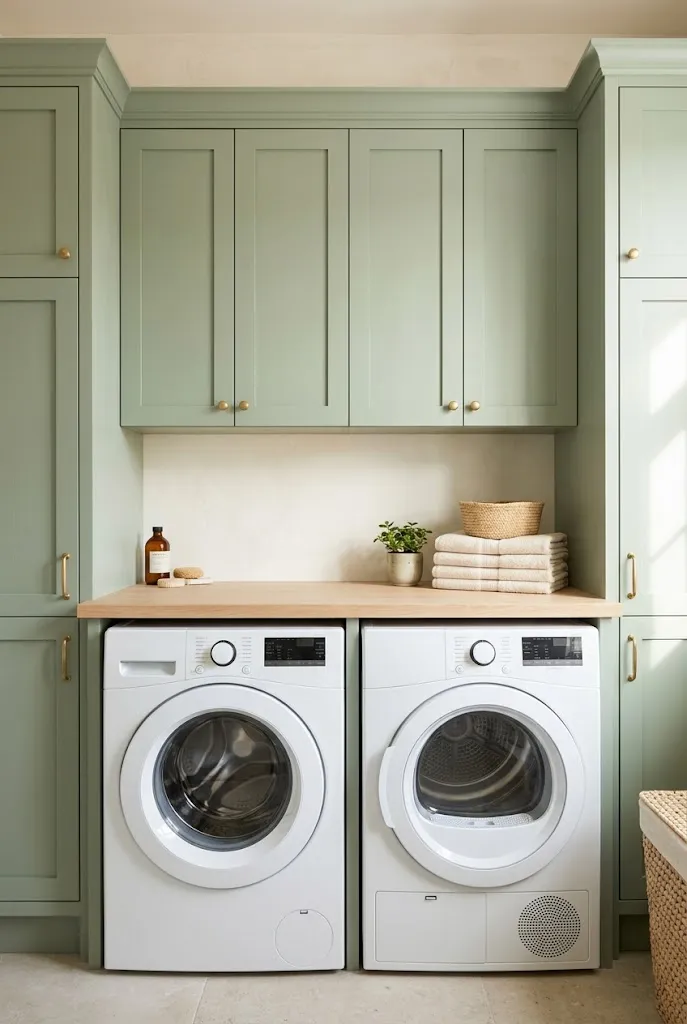
BEFORE: Plain cabinets blend into the wall, while detergent bottles and laundry tools make the room feel purely functional. The space lacks a clear color accent.
AFTER: A muted green finish gives the cabinetry character while keeping the room calm. Brass or wood hardware adds warmth, and everyday supplies can stay tucked behind closed doors.
Test paint samples on the cabinet doors and check them in morning and evening light before committing. A washable, cabinet-appropriate finish stands up better to frequent handling. If replacing hardware, measure the existing holes first to avoid extra drilling and make the update easier.
Pegboard Laundry Station
- Choose a pegboard panel that fits the wall above your counter or washer.
- Secure it with the manufacturer’s recommended hardware, leaving space behind the board for hooks.
- Hang lightweight tools where you can reach them, and keep heavier items on a shelf.
A pegboard makes small laundry tools visible instead of buried in a drawer. Arrange hooks around the items you use most, such as a lint brush or mesh bags, and leave a little open space for future supplies. Check that hanging tools won’t interfere with cabinet doors or appliance controls.
Pull-Out Supply Drawers
A drawer can hide visual clutter while keeping small supplies close at hand.
| Feature | Open Shelf | Pull-Out Drawer |
| Visibility | Items stay in view | Contents are tucked away |
| Access | Quick reach from the front | Slides out for a clear view |
| Best for | Matching baskets | Small tools and packets |
Use dividers to stop stain pens, clothespins, and dryer sheets from shifting around. Measure the cabinet opening before buying organizers, and keep liquids upright in a separate bin. A shallow drawer near the washer is especially handy for the small items that otherwise collect on the machine.
Wall Hooks
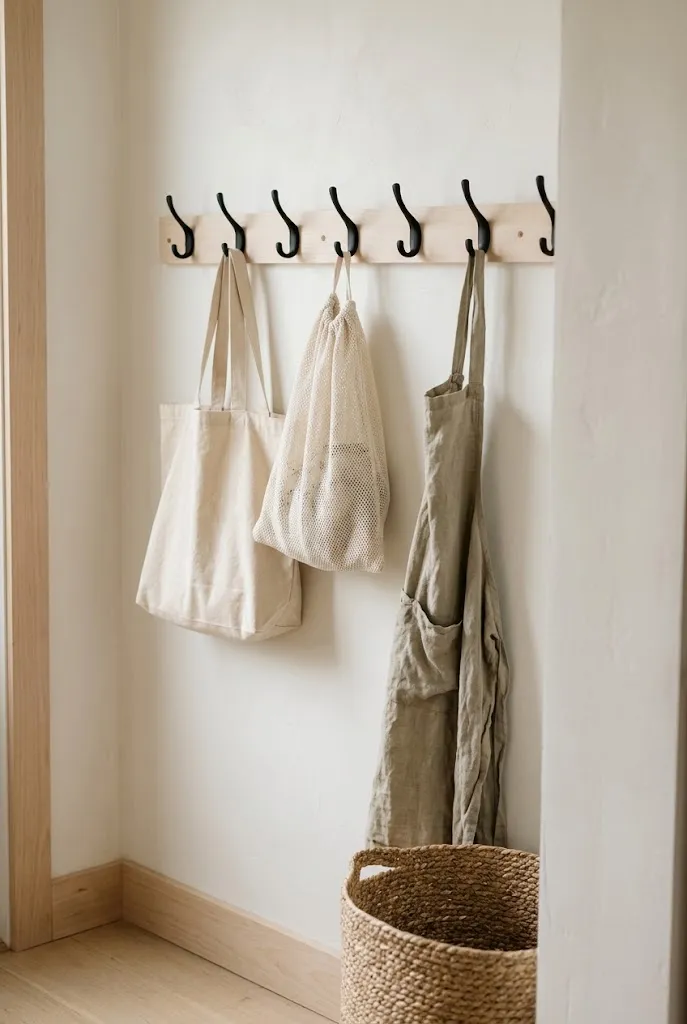
DO
- Place hooks near the door for bags and reusable totes.
- Use sturdy hooks for damp or heavier items.
- Leave space between hooks so garments can air out.
DON’T
- Mount hooks where they block a cabinet or doorway.
- Hang wet clothes against a painted wall.
- Overload adhesive hooks beyond their stated weight limit.
Hooks give everyday laundry items a clear home and keep them off the counter. Mount them into studs when possible, or choose wall anchors suited to the surface. Keep one hook free for a mesh bag of delicates, so it is ready to go into the washer.
Pull-Out Hamper Drawers
Best For: Separating laundry before wash day
Cost: Moderate, depending on cabinet and bin choice
Skill Level: Beginner to intermediate
Result: Clothes stay contained and sorted
A built-in hamper keeps laundry off the floor and makes sorting part of the daily routine. Choose removable bins that lift out easily for carrying, and check each drawer’s weight limit. If custom cabinetry is out of budget, place labeled baskets inside a freestanding cabinet with doors.
Warm Ceiling Lighting
Good lighting makes laundry tasks easier to finish, especially on cloudy days or in windowless rooms. Pair a bright ceiling fixture with focused light above the counter, where stains are checked and clothes are folded. Choose bulbs with a comfortable warm-neutral tone so whites look clear without making the room feel harsh.
Before buying fixtures, check the room’s existing wiring and follow local electrical requirements. A flush mount keeps headroom clear, while an under-cabinet strip lights the work surface. I’ve noticed that even a small task light helps reveal faint marks before a garment goes into the dryer.
Labeled Storage Jars
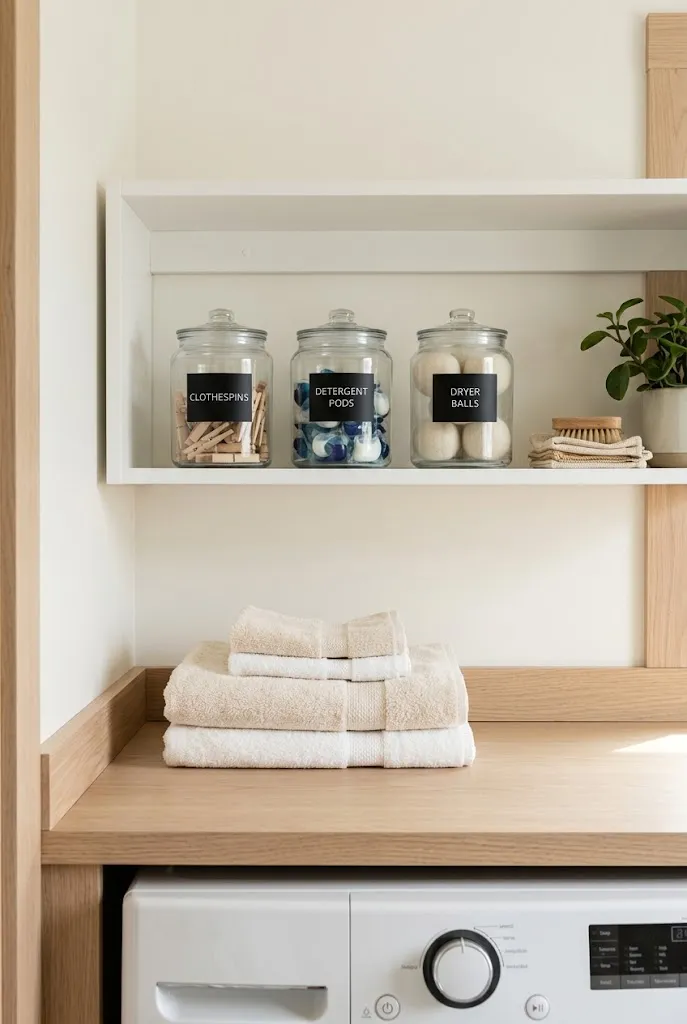
- Group small supplies such as clothespins, dryer balls, and stain sticks.
- Use wide-mouth jars so items are easy to reach.
- Add clear labels that remain readable from the floor.
- Keep detergent pods in a secure, child-safe container and out of children’s reach.
Matching jars make an open shelf feel orderly and help you see when small supplies are running low. Use sturdy containers that are easy to clean, and avoid storing products in jars that could be mistaken for food. Reserve the highest shelf for items used less often.
Removable Wallpaper
Quick Tip: Test a wallpaper sample on the wall for a few days before covering a larger area. Check the manufacturer’s guidance for humid rooms and removable surfaces.
A patterned wall adds personality without taking up counter or shelf space. Use a small-scale print if the room is narrow, or apply wallpaper to just one wall to keep the look balanced. Smooth the surface carefully during installation so seams stay neat around shelves and outlets.
Washer Pedestals
BEFORE: The washer doors sit low, so loading and unloading means bending repeatedly. Detergent and spare cloths have no convenient storage spot.
AFTER: Compatible pedestals raise the machines and add drawers for lightweight laundry supplies. The floor beneath the appliances is easier to clean, and the setup feels more comfortable to use.
Check the appliance model and pedestal compatibility before purchasing. The machines must be secured according to the manufacturer’s instructions, and the floor needs to be level and strong enough for the added height. Store only suitable items in the drawers, keeping heavy products on stable, lower shelves instead.
Under-Sink Organizers
- Measure around the drainpipe and water lines before choosing an organizer.
- Select a tiered or U-shaped unit that fits the remaining cabinet space.
- Group stain removers and cleaning cloths in separate washable bins.
- Keep the cabinet floor clear enough to spot leaks quickly.
The space beneath a utility sink can store more than a jumble of bottles. A well-fitted organizer keeps cleaning supplies upright and makes it easier to reach the back of the cabinet. Leave plumbing connections visible, and check for drips whenever you restock the area.
Laundry Window Shades
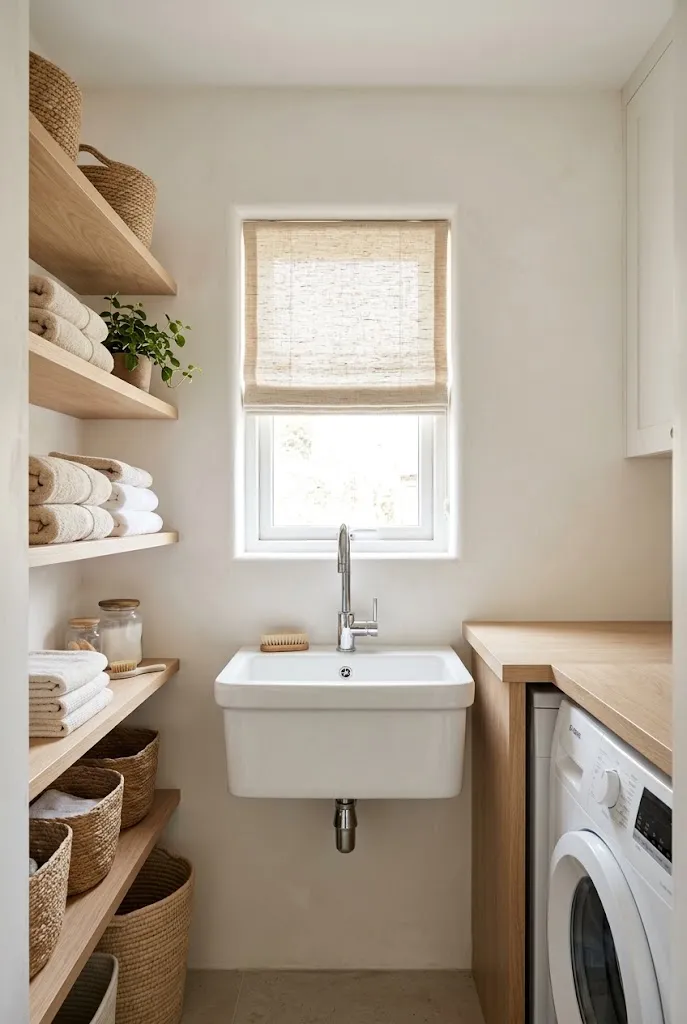
A useful window treatment can add privacy while keeping the room bright.
| Feature | Woven Roller Shade | Cafe Curtain |
| Light | Filters light from above | Leaves the upper window open |
| Privacy | Covers most of the glass | Covers the lower portion |
| Care | Dust or wipe as directed | Many styles are washable |
Choose a moisture-tolerant material if the window is close to the sink or washer. Measure the inside or outside frame based on the mounting style, and make sure the shade clears the faucet. A washable cafe curtain suits a softer look and can be removed easily for cleaning.
Laundry Drop Zone
DO
- Set a small tray near the washer for coins and pocket finds.
- Add a labeled pouch or basket for single socks.
- Empty pockets before clothes go into the machine.
DON’T
- Leave coins loose on the counter.
- Put tissues or receipts in with a load.
- Let the lost-sock basket overflow without checking it.
A designated drop zone catches the small things that otherwise scatter across the counter or end up in the wash. Pick a container that is easy to empty, and check it before starting each load. A quick pocket check helps protect clothes and keeps paper scraps from sticking to wet fabric.
Tall Utility Cabinet
Best For: Brooms, mops, and long-handled tools
Works In: A narrow wall beside the washer or door
Skill Level: Beginner for a freestanding unit
Result: Tall items stay hidden and upright
A tall cabinet makes awkward cleaning tools easier to store without leaning them against the wall. Measure the tallest item, including its handle, and confirm the doors can open fully in the available space. Add a few hooks inside for dusters or a handheld brush, and use a stable unit secured as directed.
Conclusion
Your laundry room does not need a full renovation to feel better organized. A drying rack, clear storage, a folding surface, or a small drop zone can make everyday tasks easier while adding a little style. Start with the spot that causes the most frustration, then choose one change that fits your space and budget. These laundry room ideas can help you create a setup that works for your routine, whether you have a dedicated room or a compact closet. Save this article on Pinterest, try an idea this week, and share it with someone planning a laundry refresh. Small updates can make wash day feel lighter. And if your bathroom needs the same treatment, these bathroom over the toilet storage ideas turn an overlooked wall into useful storage.
Pair your laundry routine with these drop zone ideas for a clutter-free home to give coats, bags, and shoes a landing spot near the door.
2 Comments